This region is not just about where you stay. Some of the most
memorable parts of a trip through Southern Oregon and Northern
California happen when you leave the main road for a while and
spend time surrounded by nature. Mountains, forests, rivers,
lakes, waterfalls and the Pacific coast create a landscape that
changes dramatically from one part of the region to another.
You can move from high desert and volcanic country to dense
evergreen forests, then continue toward enormous redwoods and
rugged ocean cliffs without ever feeling that you are seeing the
same scenery twice.
That variety makes the area particularly appealing to travelers
who prefer outdoor experiences to a tightly planned sightseeing
schedule. A trip here does not have to revolve around museums,
shopping districts or a list of major attractions. You might
choose a lake as your destination for the day, spend an hour
beside a river, walk through an old-growth forest, stop at a
waterfall or follow a coastal road simply because the view looks
worth exploring. There are plenty of opportunities to make the
journey itself part of the experience.
Some natural places are major destinations that deserve several
hours or even a full day. Others are much simpler: a viewpoint,
a short trail, a quiet stretch of river or a roadside turnoff
where you can get out, take a few photographs and continue.
We will point out both kinds of places. The idea is not to create
a checklist of every park, lake and trail in the region, but to
help you understand where the landscape is especially interesting
and what kind of experience you can expect when you get there.
You also don't have to choose between an outdoor trip and a
traditional road trip. The two work particularly well together
here. Stay in one of the main destinations, choose a direction,
and build your day around whatever interests you most. A morning
beside a mountain lake can become an afternoon drive through the
forest, followed by a sunset viewpoint or a quiet dinner back in
town. If you would rather spend the entire day outside, there are
enough natural areas to make that easy as well.
Crater Lake
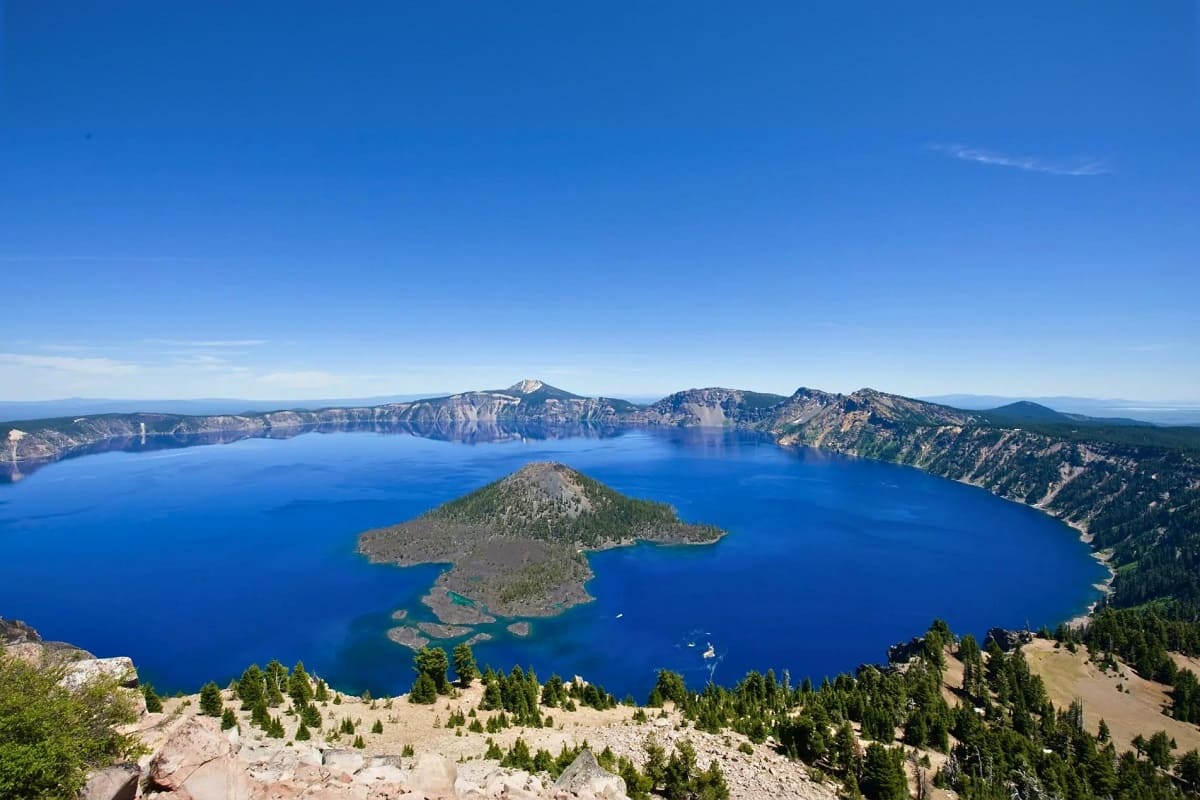
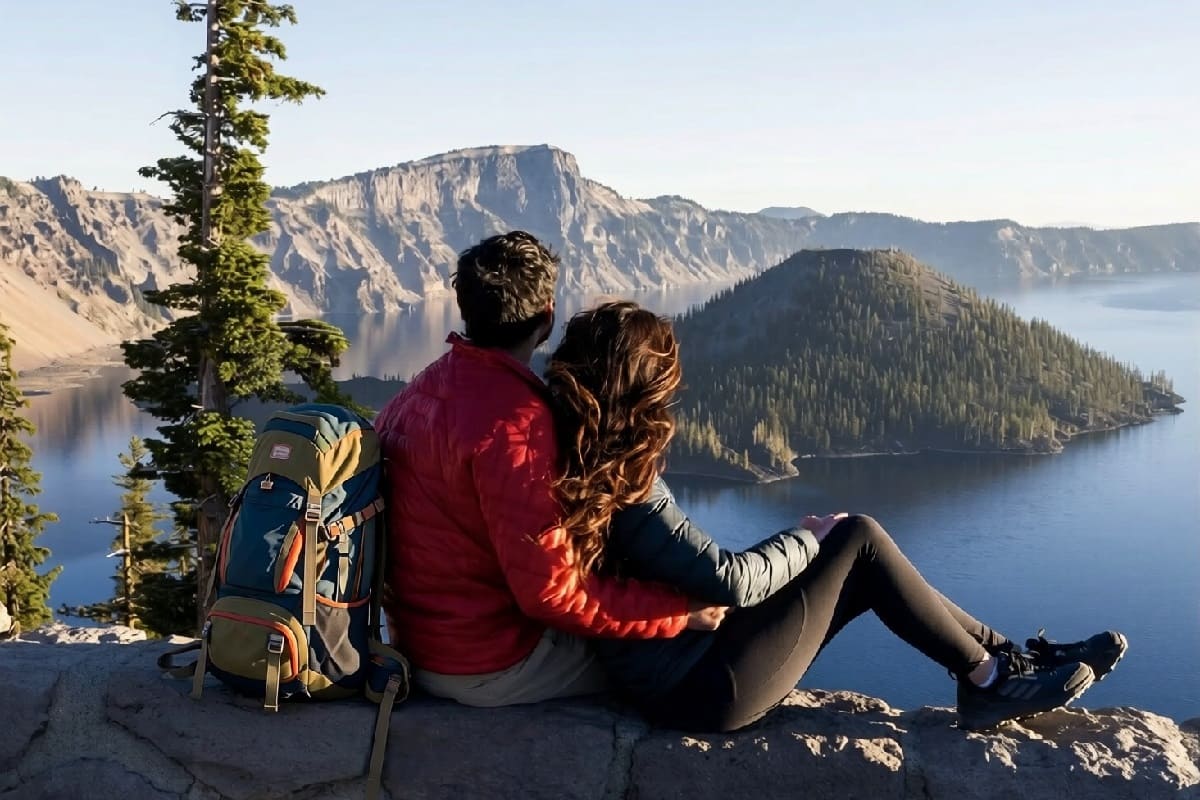
Crater Lake is one of the places that immediately changes your
understanding of Southern Oregon. Created by the collapse of
Mount Mazama thousands of years ago, the lake fills a deep
volcanic caldera surrounded by steep cliffs and mountain
scenery. Its exceptionally clear, intensely blue water is the
feature most visitors notice first, but the scale of the
landscape is what makes the experience memorable. From the
viewpoints around the rim, the lake can feel almost unreal,
especially when the surrounding mountains and sky are reflected
in the water.
The lake is within Crater Lake National Park, and the park offers
several different ways to experience the area. You can simply
stop at one of the viewpoints and take in the panorama, drive
sections of the rim when conditions allow, or spend more time
exploring the trails and overlooks. The experience changes with
the season as well. Summer can provide long days and access to
more of the park, while winter transforms the landscape into a
dramatically different high-country environment.
For travelers building a road trip through Southern Oregon,
Crater Lake works particularly well as a dedicated day trip or
as one of the major natural highlights of a longer journey.
It is not the kind of attraction that needs to be squeezed into
a short stop between two cities. Give yourself enough time to
drive into the park, find the viewpoints that interest you and
allow for changing weather and road conditions. Even visitors
who are not serious hikers can enjoy the scenery from accessible
overlooks around the lake.
The surrounding region also offers opportunities to continue
exploring after you leave the caldera. Forest roads, mountain
landscapes, lakes and smaller communities spread out across the
surrounding country, making it easy to combine a visit to Crater
Lake with other Southern Oregon experiences. Depending on your
plans, you might continue toward the Klamath Basin, explore
other parts of the Cascades or return toward one of the larger
destinations for the evening.
Crater Lake is therefore best thought of as more than a single
viewpoint. It is one of the defining natural landmarks of the
region and a good example of why it is worth leaving the main
destinations behind for a day. If dramatic landscapes are high
on your travel list, this is one of the places where the detour
can easily become one of the highlights of the entire trip.
Upper Klamath Lake
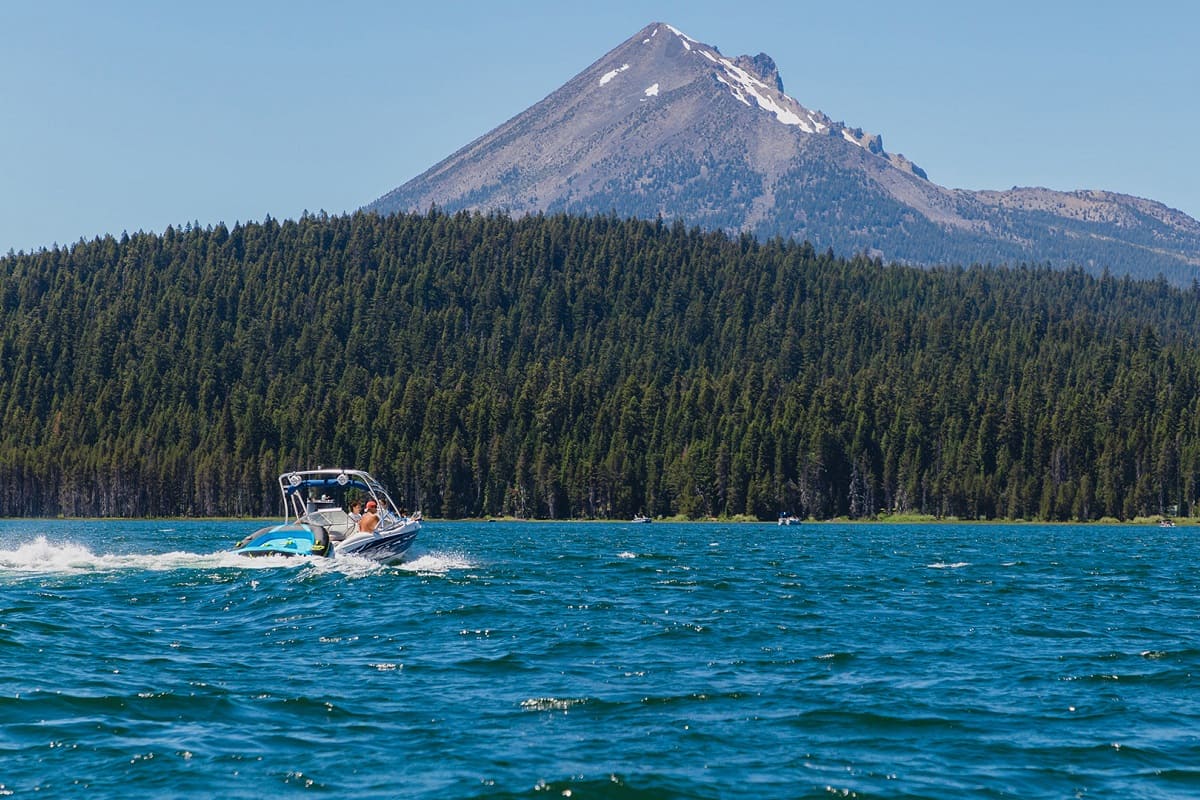
Upper Klamath Lake offers a completely different experience from the
dramatic volcanic scenery of Crater Lake. Instead of steep cliffs and
a deep mountain caldera, the landscape opens into a broad basin of
water, wetlands, marshes and distant mountains. It is a quieter side
of Southern Oregon and a particularly good place to slow down and pay
attention to the natural environment around you. The lake and its
surrounding wetlands provide important habitat for a wide variety of
birds and other wildlife, making the area especially interesting for
photographers and anyone who enjoys watching nature rather than simply
passing through it.
The Klamath Basin is well known for its concentration of wetlands and
bird habitat, and Upper Klamath Lake is an important part of that
landscape. Depending on the season, visitors may see waterfowl,
raptors and other birds using the lake and surrounding marshes. Early
mornings can be particularly rewarding, when the water is calm and
the mountains are reflected across the basin. You do not necessarily
need a long hike or an ambitious outdoor plan here. Sometimes the
best experience is simply finding a good viewpoint, taking your time
and watching the landscape change around you.
The lake is also a natural choice for travelers interested in
kayaking, canoeing, fishing and other forms of quiet water recreation.
Several areas around the Klamath Basin provide access to waterways,
wetlands and outdoor trails, allowing you to combine a visit to the
lake with other nearby experiences. If wildlife photography is one of
your interests, bringing a longer lens can be worthwhile, as many of
the most interesting birds and animals are better observed from a
respectful distance rather than approached closely.
One of the advantages of exploring Upper Klamath Lake is that it fits
easily into a broader Southern Oregon itinerary. Klamath Falls provides
a convenient base, but you do not have to spend the entire day in the
city. A morning around the lake can be combined with another outdoor
stop, a scenic drive or a visit to one of the smaller communities in
the surrounding basin. The area also works well for travelers who
prefer a slower pace and would rather spend several hours outdoors
than move from one attraction to another.
Upper Klamath Lake is ultimately about atmosphere as much as any single
attraction. The wide horizon, open water, wetlands and surrounding
mountains create a sense of space that is very different from the
forested valleys farther west. If you are looking for a place to
disconnect for a while, watch wildlife, take photographs or simply
enjoy the quieter side of Southern Oregon, the Klamath Basin is well
worth adding to your plans.
Rogue River
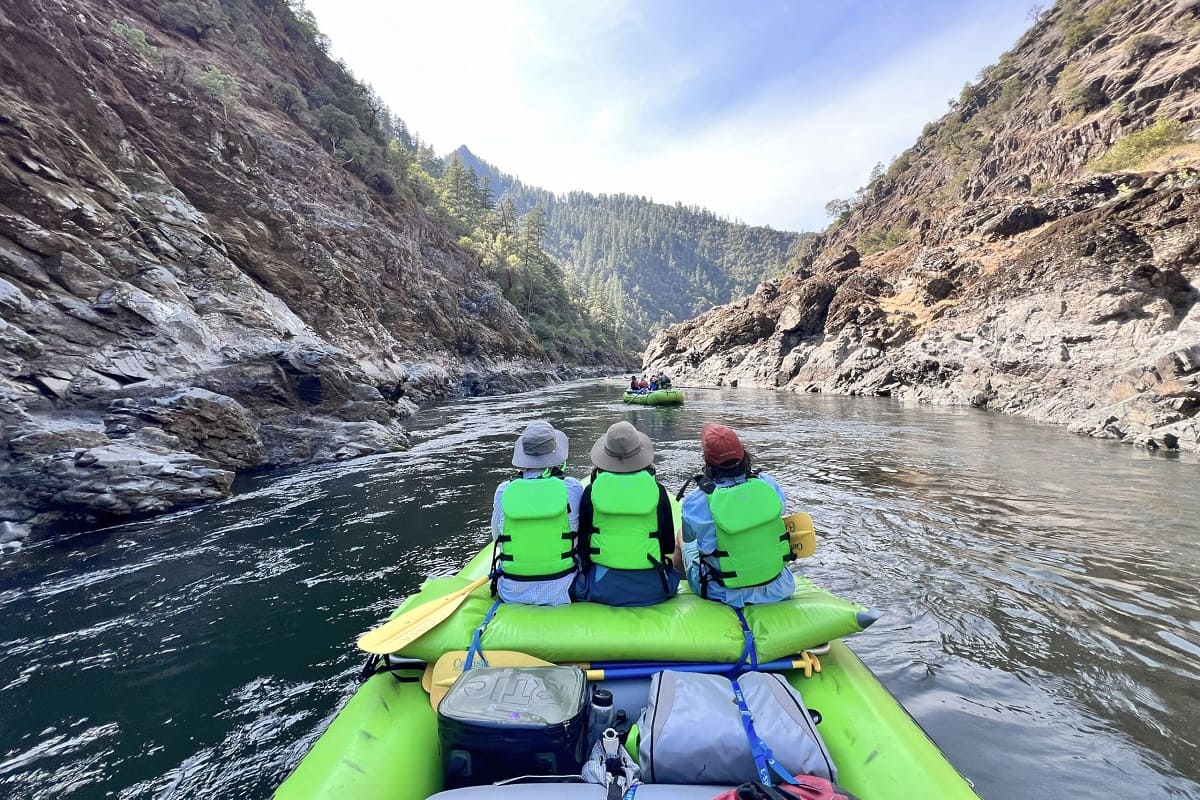
The Rogue River is one of the defining natural features of Southern
Oregon, running through a landscape of forests, mountains, cliffs and
small communities before eventually reaching the Pacific Ocean. What
makes the river particularly interesting for travelers is the variety
of experiences found along its course. In some places it is a quiet
stretch of water surrounded by trees, while farther downstream it
becomes a destination for rafting, fishing, kayaking and other outdoor
adventures. You can choose how active you want to be and still enjoy
the scenery.
Around Grants Pass and the communities farther along the valley, the
Rogue provides plenty of opportunities to spend time outdoors without
having to plan an expedition. Riverfront parks, walking areas and
viewpoints make it possible to enjoy the water for an hour or two,
while those looking for a more active experience can arrange fishing
trips, rafting excursions or other river activities. The surrounding
landscape also creates excellent opportunities for photography, with
forested hills, exposed rock and changing light giving different parts
of the river their own character.
The Rogue is also a good example of why exploring this region should
not be limited to the names of the larger towns. A destination such as
Grants Pass may be your base, but the river quickly takes you beyond
the city and into a much more natural setting. Small communities,
country roads and access points along the river can become part of the
day without requiring a complicated itinerary. You can choose a
particular section to explore or simply follow the river for a while
and see what catches your attention.
For travelers who enjoy wildlife and quieter outdoor experiences, the
river corridor is just as appealing as it is for adventure sports.
Birds and other wildlife can be found along the water and in the
surrounding forests, while shaded areas beside the river can provide
a welcome break during warmer months. The scenery changes with the
seasons too, from fresh green vegetation in spring to warm autumn
colors and the deeper greens of the evergreen forests that dominate
much of the region.
You do not have to choose one particular activity to appreciate the
Rogue River. For some visitors it may become the main focus of a day
spent rafting or fishing. For others, it may simply be the place where
they stop for a walk, take photographs and enjoy the landscape before
continuing toward the next destination. Either way, the Rogue is one
of the natural features that gives Southern Oregon much of its
character and makes the area worth exploring beyond the main towns.
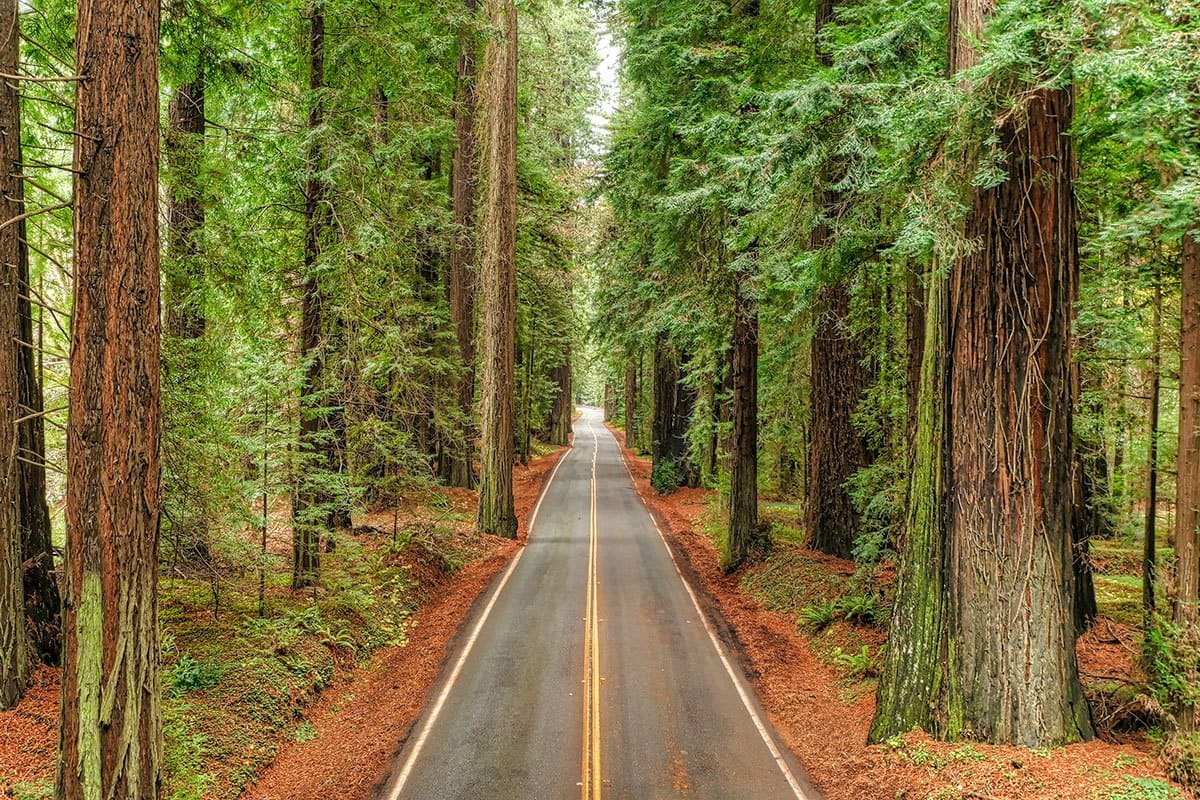
Jedediah Smith Redwoods
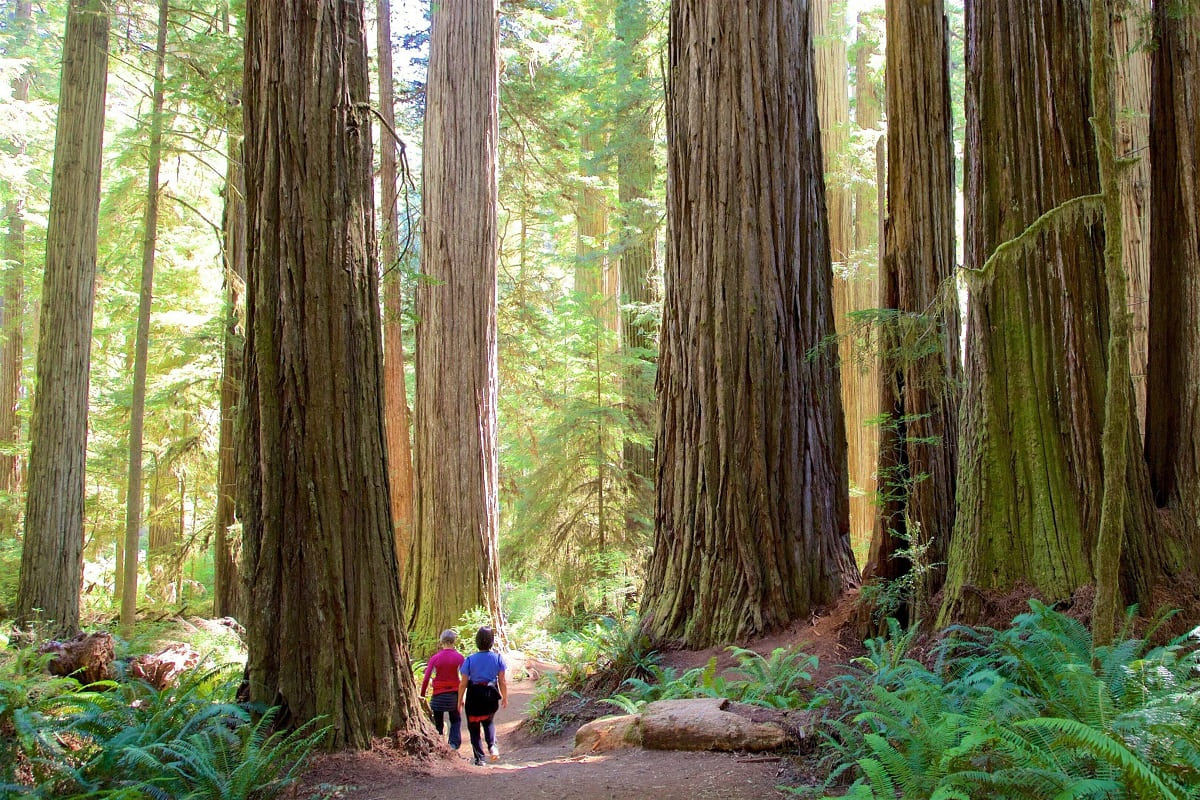
Crossing into Northern California brings one of the most dramatic
changes in scenery anywhere along this direction. The open landscapes
and mountain country gradually give way to dense coastal forests, and
eventually to some of the tallest and oldest trees on Earth. Jedediah
Smith Redwoods State Park protects an exceptional part of this
landscape, where enormous coast redwoods grow along the Smith River
and its surrounding forests. Walking beneath these trees is very
different from simply looking at a photograph of a redwood forest.
Their scale is difficult to appreciate until you are standing among
them.
The park is located just inland from the Northern California coast,
making it an excellent addition to a trip between Crescent City and
Brookings. The Smith River is an important part of the experience as
well. Its clear water, rocky banks and forested surroundings create a
landscape that feels remarkably quiet despite being relatively close
to the main coastal road. Depending on the season and conditions,
visitors can enjoy walking trails, scenic drives, photography,
fishing and time beside the river.
One of the best things about exploring the redwoods is that you do not
have to be an experienced hiker to enjoy them. Some trails are short
and relatively easy, allowing you to walk into the forest for a
little while and experience the trees at close range. Other routes
are longer and provide a deeper look at the old-growth environment.
Even a short walk can be memorable because the atmosphere changes
almost immediately after leaving the road. The light becomes softer,
the forest becomes quieter and the enormous trunks create a completely
different sense of scale.
The area around Jedediah Smith also provides an opportunity to slow
down after traveling through the more open landscapes farther south.
Instead of trying to see everything in a single visit, you can choose
a trail that fits your available time, find a place beside the river
or simply explore one of the scenic sections of the park. The forest
is especially appealing to photographers, but it is just as rewarding
for travelers who are interested in nature, quiet walks or simply
experiencing a landscape that is very different from anything around
Klamath Falls or the Rogue Valley.
If you are traveling toward Crescent City or Brookings, this is one
of the places where adding extra time to your plans can be worthwhile.
The redwoods are not just another scenic stop along the road; they are
one of the defining natural environments of the region. Give yourself
enough time to leave the car, walk among the trees and experience the
forest rather than treating it as something to photograph quickly
through the windshield. For many travelers, this is the point where
the journey from Southern Oregon into Northern California becomes
especially memorable.
Samuel H. Boardman State Scenic Corridor
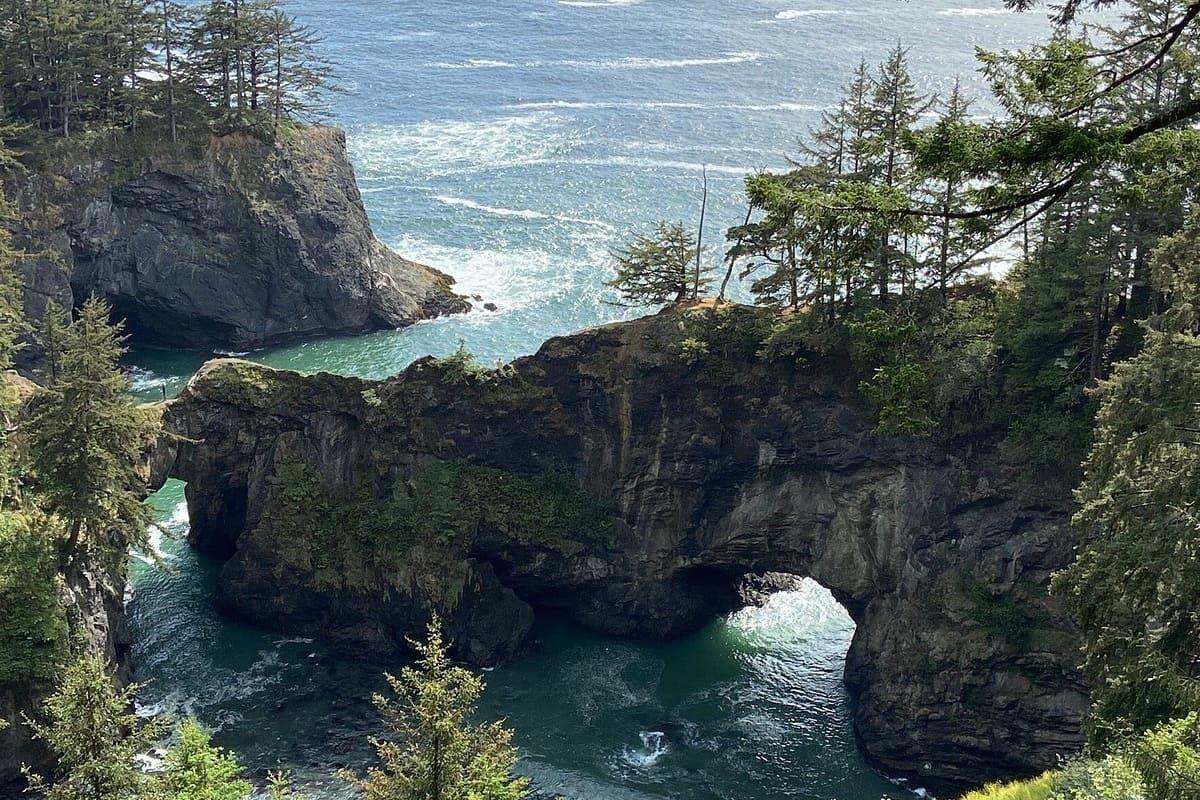
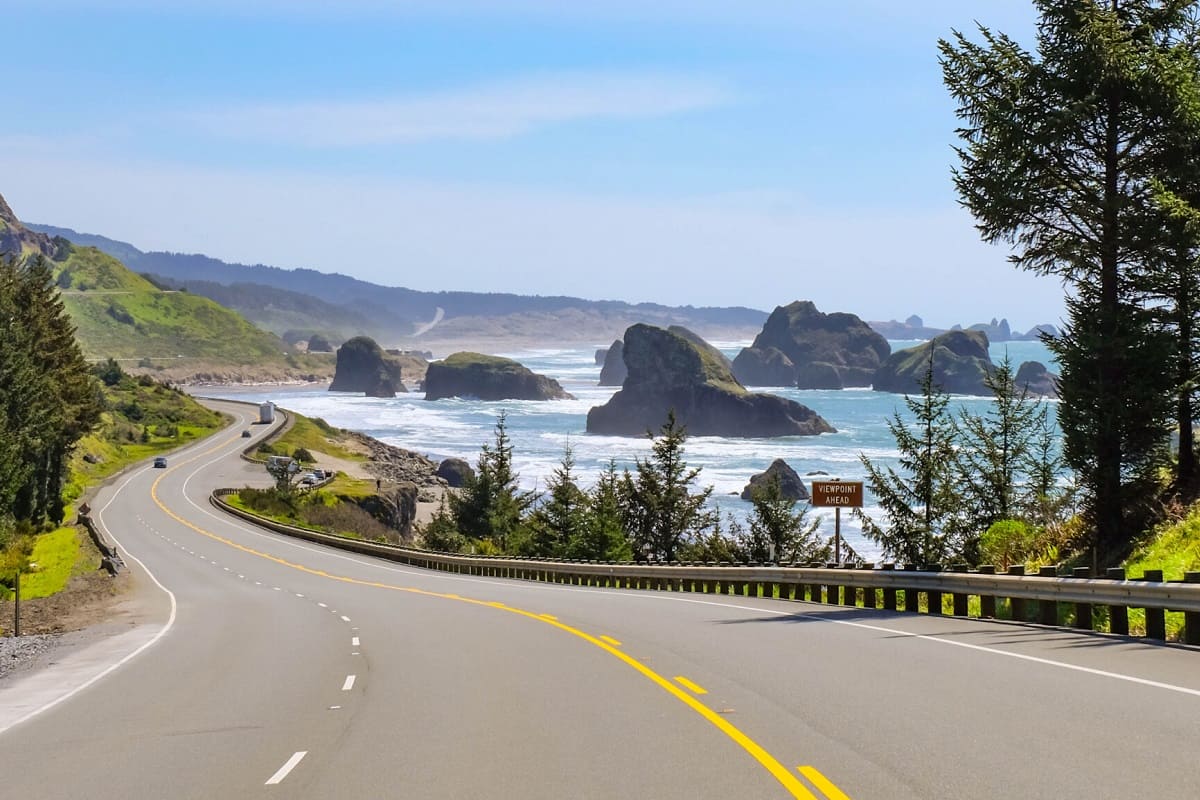
As the landscape reaches the Pacific coast, the character of the
journey changes once again. The Samuel H. Boardman State Scenic
Corridor stretches along a rugged section of the Oregon Coast between
Brookings and Gold Beach, where forest meets steep cliffs, rocky
headlands and open ocean. This is not a place where you simply arrive
at one attraction and leave again. The experience comes from the
succession of viewpoints, short trails, beaches, forested overlooks
and dramatic coastal scenery found along the road.
One of the best ways to explore the corridor is to allow more time
than you think you will need. A viewpoint that looks like a quick
five-minute stop can easily turn into a longer break once you are
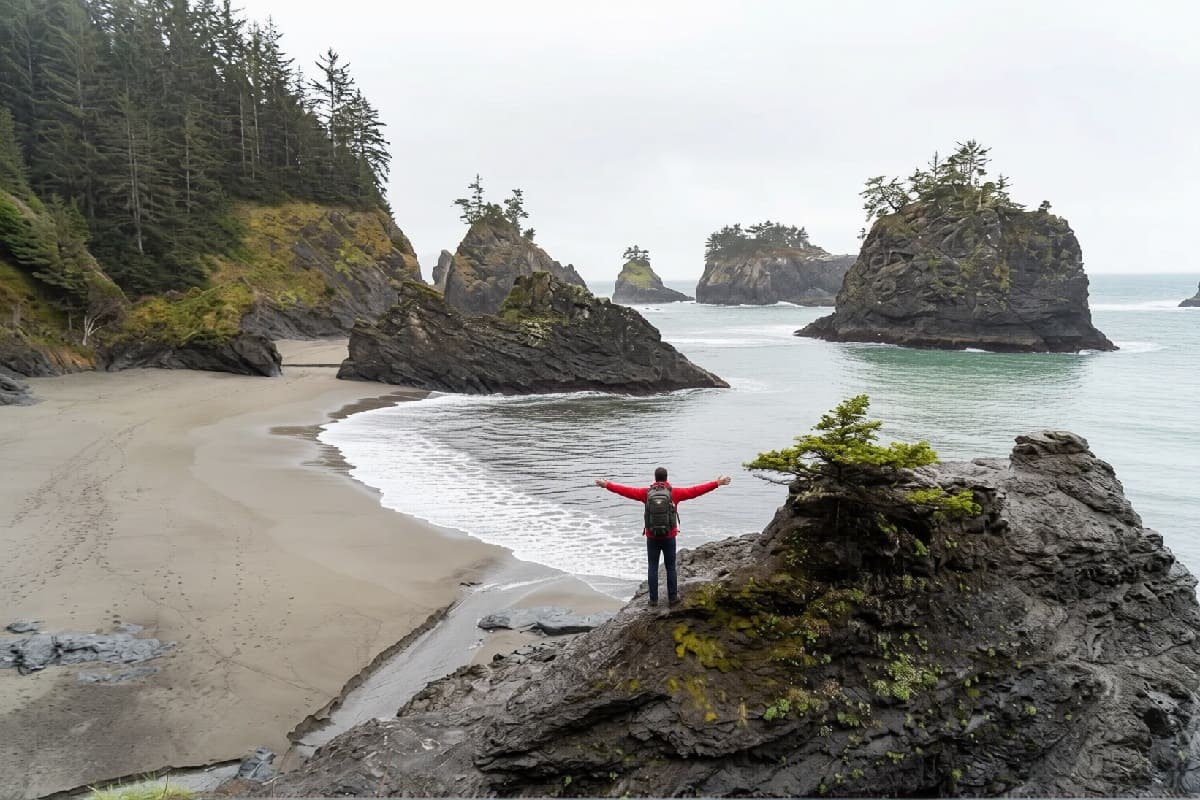
standing above the ocean. Offshore rocks and small islands rise from
the water, waves break against cliffs below and forested headlands
create constantly changing views as the road follows the coastline.
Some overlooks are only a short walk from the parking area, while
others require a little more effort to reach.
The corridor is particularly rewarding for travelers who enjoy
photography. The combination of Pacific Ocean, cliffs, forests,
beaches and unusual rock formations provides a remarkable variety of
compositions within a relatively short stretch of coast. Conditions
can change quickly as well. Fog can transform the appearance of the
headlands, clear weather opens views far across the ocean and late
afternoon light can bring out completely different colors in the
cliffs and surrounding forest. There is rarely a reason to hurry
through this section of the journey.
Hiking is another good reason to make time for the area. There are
trails leading through coastal forest and toward viewpoints, beaches
and rocky headlands, ranging from short walks to more demanding
outings. You do not need to complete a long trail to enjoy the
corridor, however. For many visitors, a combination of several short
walks and scenic viewpoints makes a better day than trying to cover
too much ground at once. Bring comfortable shoes, allow for uneven
terrain and be prepared for changing coastal weather.
The corridor also works especially well as part of a larger trip
between Brookings, the redwood country of Northern California and the
communities farther north on the Oregon Coast. You can choose a few
viewpoints that interest you most or simply follow the coast and stop
whenever the scenery gives you a reason. Places such as Arch Rock,
Natural Bridges and other coastal viewpoints offer their own
character, so there is no single correct itinerary. The best approach
is to leave enough room in your plans for an unexpected stop.
For travelers who want to combine forests, mountains and the ocean in
one trip, this section of the coast is one of the strongest natural
highlights in the entire SouthWest Point region. It is also a good
reminder that the destination does not always have to be a particular
town. Sometimes the most rewarding part of the trip is simply choosing
a beautiful stretch of road, slowing down and seeing what is waiting
around the next bend.
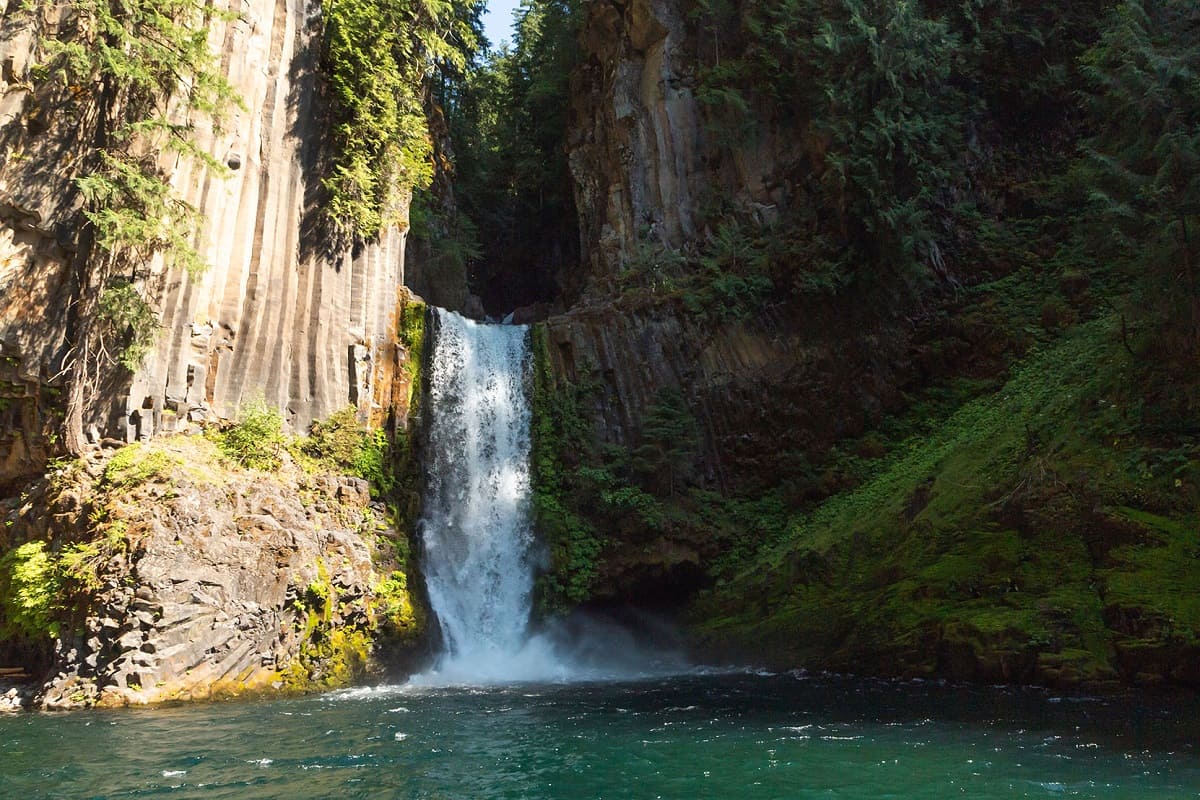
Waterfalls & Forest Trails
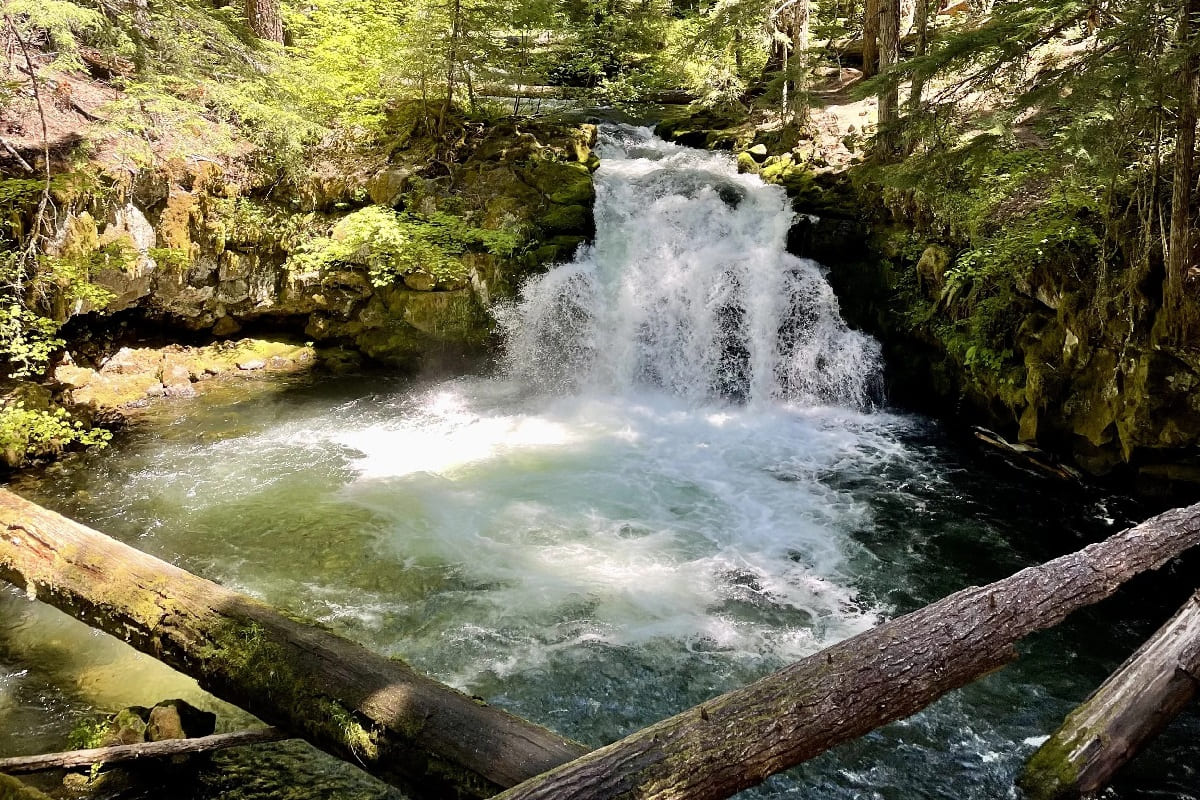
Waterfalls and forest trails are some of the easiest ways to experience
the quieter side of Southern Oregon and the surrounding mountain
country. You do not always need to plan an entire day around them.
Sometimes a short trail leading into the forest is enough to find a
waterfall, a creek or a peaceful viewpoint away from the main roads.
In other places, a longer hike can turn the walk itself into the main
experience, with changing forest scenery, mountain streams and
viewpoints appearing along the way.
The variety of landscapes means that there is no single type of trail
to expect. Around the Cascades and the higher country, you can find
mountain forests, volcanic terrain and cold streams flowing through
shaded valleys. Farther west, the forests become greener and denser,
with rivers and smaller creeks winding through the landscape. Some
waterfalls are especially impressive during wetter periods, while
other trails are enjoyable simply because they lead through beautiful
old-growth or evergreen forest.
This is also an area where it pays to look beyond the most famous
attractions. A well-known waterfall can certainly be worth visiting,
but a smaller trail or stream can sometimes provide exactly the kind
of peaceful outdoor experience you are looking for. If you have only
an hour or two available, choose a short walk and enjoy the scenery
without trying to turn it into a major expedition. If you have most of
the day free, there are plenty of opportunities to combine a trail
with a scenic drive, a lake, a river stop or another natural
attraction.
Before setting out, check current trail and road conditions, especially
when traveling outside the main summer season. Snow, fallen trees,
heavy rain and changing mountain conditions can affect access to some
areas. A trail that is easy during one part of the year may require
considerably more preparation at another time. Comfortable footwear,
water and a little extra time are usually all you need for the easier
walks, while longer or more remote trails deserve more careful
planning.
The real appeal of these places is that they give you another reason
to slow down. You can leave the car, follow a trail beneath the trees,
listen to a river and spend some time without having to rush toward
the next destination. For travelers who enjoy hiking, photography,
wildlife or simply being outdoors, these smaller experiences can
become some of the most enjoyable parts of a trip through the region.
High Country & Open Landscapes
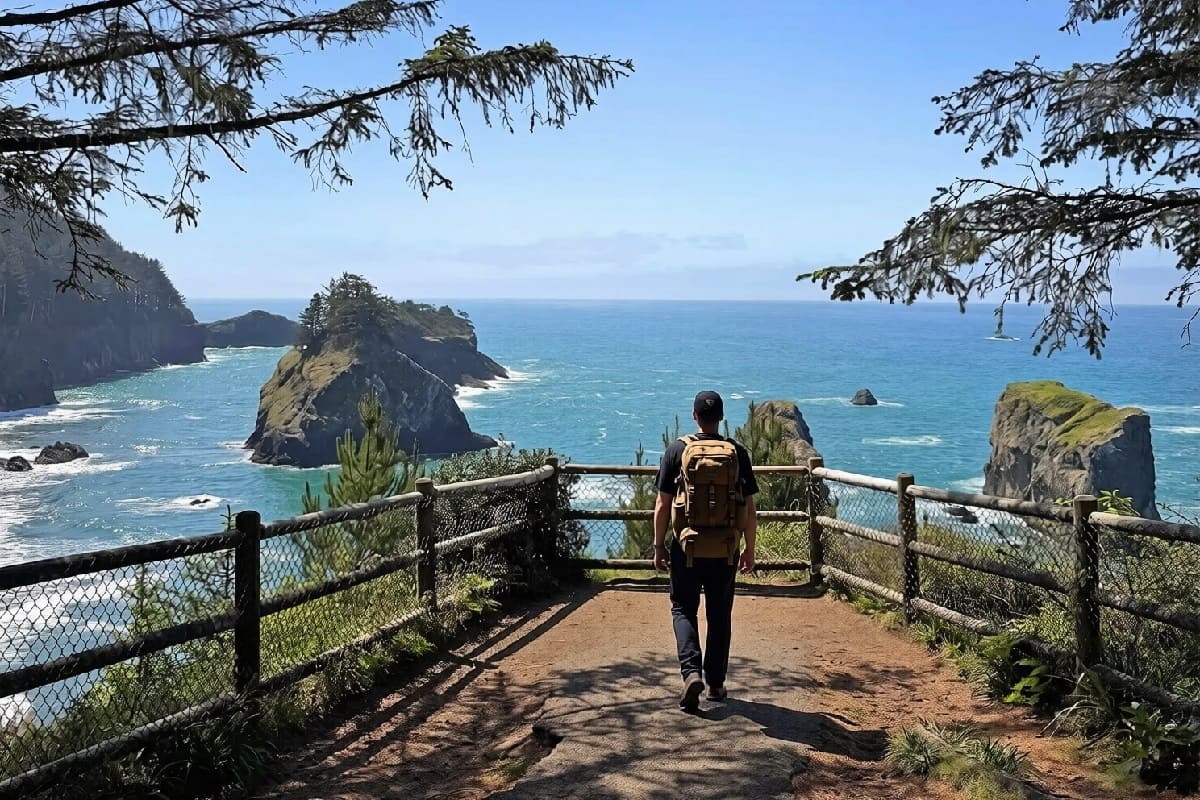
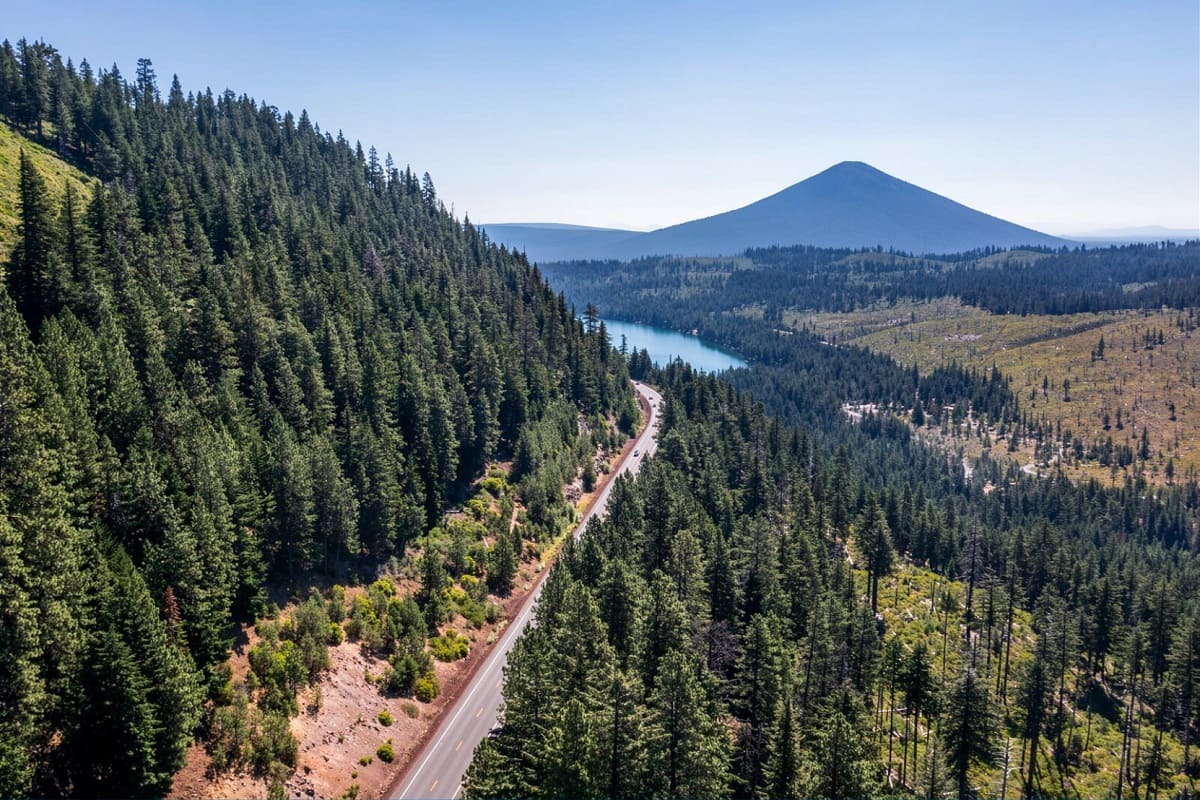
Not every memorable landscape in this region is hidden deep inside a
forest or found beside the Pacific. Much of Southern Oregon is defined
by wide-open country, high mountain valleys, volcanic landscapes and
long views that seem to stretch far beyond the road ahead. Around
Klamath Falls and the surrounding high country, the landscape can feel
surprisingly spacious, with distant mountains rising above open plains,
lakes and dry hills. It is a completely different experience from the
dense forests and coastal cliffs farther west.
The higher elevations are particularly appealing to travelers who enjoy
scenic drives and big landscapes rather than a long list of individual
attractions. Roads through the mountains can lead to viewpoints,
forests, lakes and open country where the scenery itself becomes the
reason to stop. In some places you may drive for quite a while without
seeing a major attraction, only to come around a bend and find a view
that makes you want to pull over. These are the moments when having
some flexibility in your plans really pays off.
The character of the high country also changes considerably with the
seasons. Summer can bring clear mountain air, open roads and excellent
conditions for exploring lakes, trails and higher elevations. Autumn
adds changing colors in the forests and cooler temperatures, while
winter can transform the landscape completely with snow and difficult
mountain conditions. Spring brings its own combination of water,
greenery and changing weather. Before planning a trip into higher
elevations, it is always worth checking current road, weather and
access conditions.
Open landscapes are also a good place to appreciate how much space
there is between the region's better-known destinations. You do not
have to fill every part of a trip with planned activities. A scenic
drive, a quiet roadside viewpoint, a picnic beside a lake or simply
stopping to photograph the mountains can be enough. For travelers who
enjoy getting away from busy tourist areas, these quieter stretches
can provide some of the most relaxing parts of the journey.
Taken together, the high country, forests, rivers, lakes and coastline
show just how much variety exists within the SouthWest Point region.
You can build an entire trip around nature, or simply add a few outdoor
stops between the places you already want to visit. There is no need
to follow a fixed route or see everything. Choose the landscapes that
appeal to you, leave some room for unexpected discoveries and let the
character of the region shape the journey.